How Much Down Payment in Nova Scotia Do You Need?
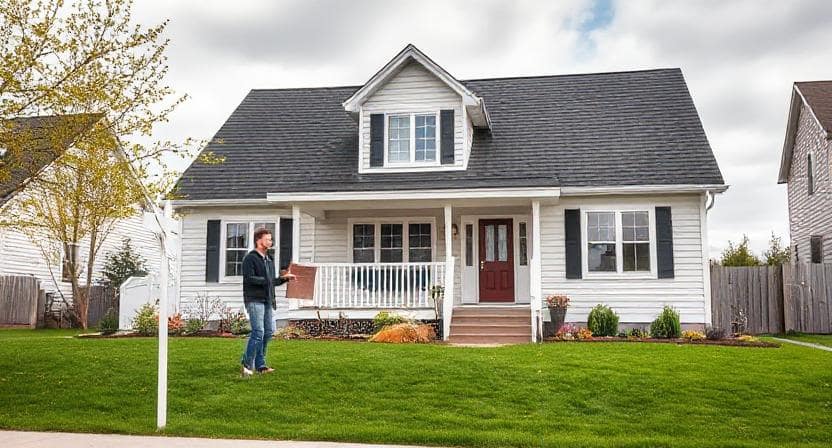
Buying your first home in Nova Scotia is exciting, but one of the most common questions is “how much down payment in Nova Scotia is required to get approved for a mortgage?” Your down payment affects your mortgage options, monthly payments, and whether mortgage insurance is needed.
Minimum Down Payment Rules in Nova Scotia
Here’s the breakdown for first-time homebuyers, answering the key question of how much down payment in Nova Scotia is needed based on purchase price:
5% Minimum
The most common entry point for first-time buyers in NS.Tiered DP
5% on the first $500k + 10% on the portion above that.20% Minimum
Mortgage default insurance is not available above this amount.If your down payment is less than 20%, you’ll need mortgage default insurance through CMHC, Sagen, or Canada Guaranty. These products protect the lender and allow buyers to enter the market safely.
5 Smart Tips to Prepare Your Down Payment
Documents Your Broker Will Need
Moving large sums between accounts right before applying can raise red flags with lenders. Keep your funds in a stable account and provide clear documentation for a smooth approval process.
- Recent pay stubs and employment verification
- Bank statements showing 90-day history
- Tax returns or NOAs
- Gift letters for non-traditional sources